A Tribute to Friends’ Garden
In our society, gardens are somehow merely related to idleness and uselessness which pose a challenge to the conventional notions of what makes life meaningful. These communal spaces embody the true essence of gardens, fostering joy, contemplation, and a sense of community.
And more importantly, the true essence of a garden - which I found in my friends’ garden - stands as a reminder of what truly matters. The true essence of a garden reveals itself not in its productivity and profit; but in the joy of creation and the emotions it inspires.
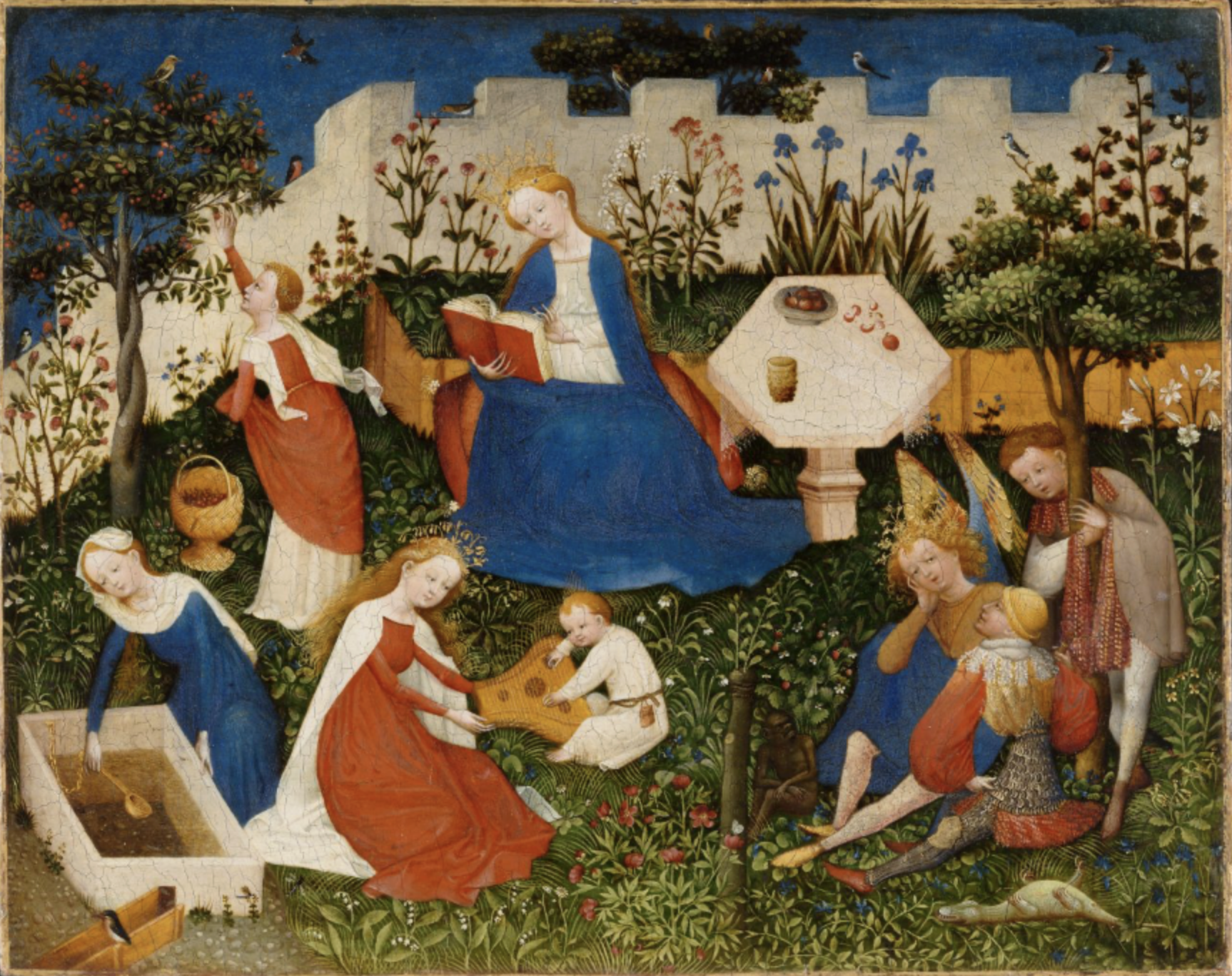
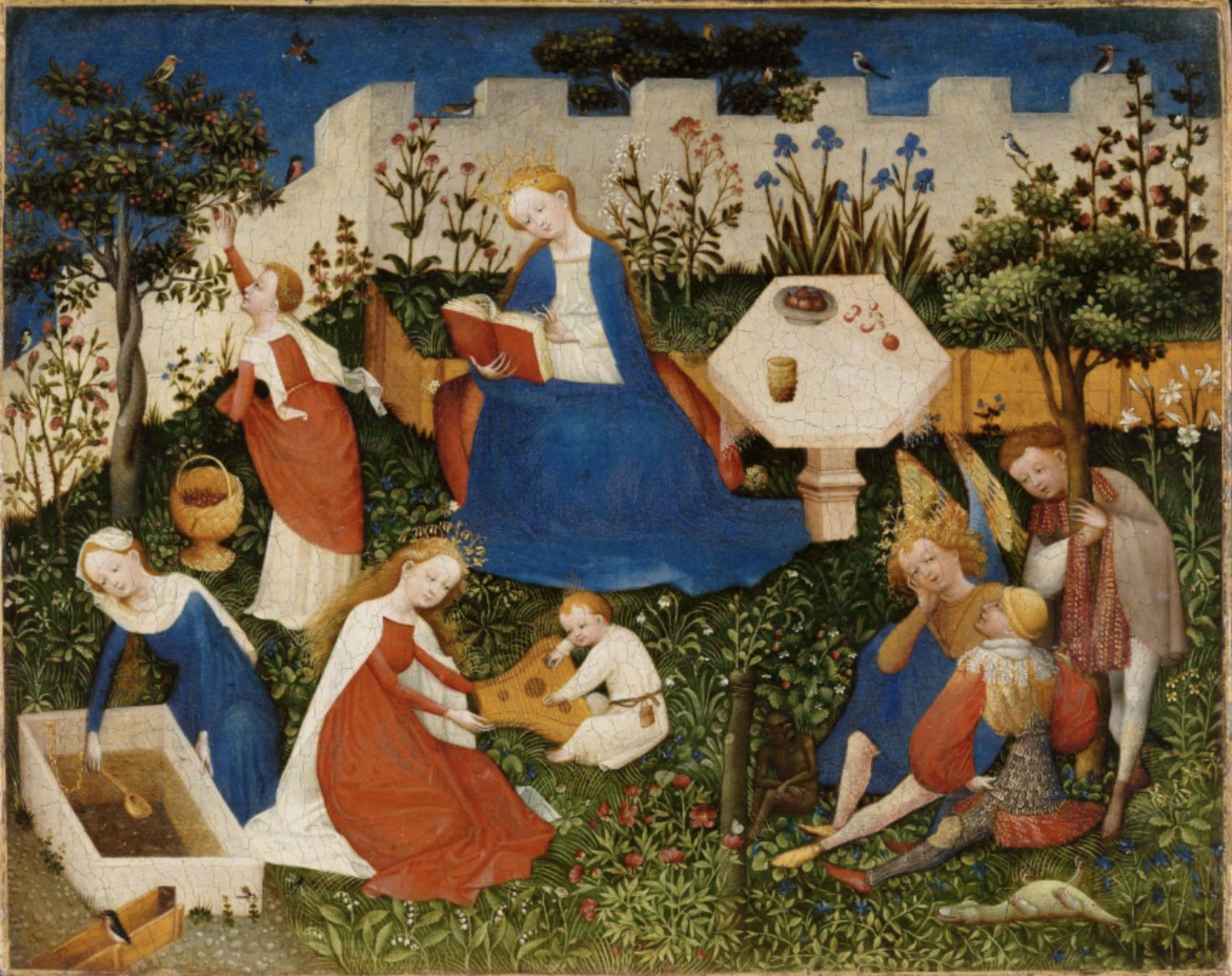
The Little Garden of Paradise, by the Master of the Upper Rhine, c1410-20
We were having drinks with friends on their lovely rooftop apartment in Brussels. Nestled atop a six-story, aged building, this small one-bedroom apartment had a beautiful roof terrace overlooking the roofscape of three to four-story buildings and their back gardens filled with greenery. As we sat there, our conversation turned to their intention of crafting a wooden structure for planting on this peaceful terrace. With fervent enthusiasm, they spoke of cutting and joining planks, their excitement palpable, as they envisioned their personal space in which new daily rituals can be formed. My friends’ dedication to this small garden, and their focus on cultivating plants in a confined space, highlights the personal significance of gardening even in urban environments. In this way, their garden can be viewed as an extension of their home, an outside enclosure.
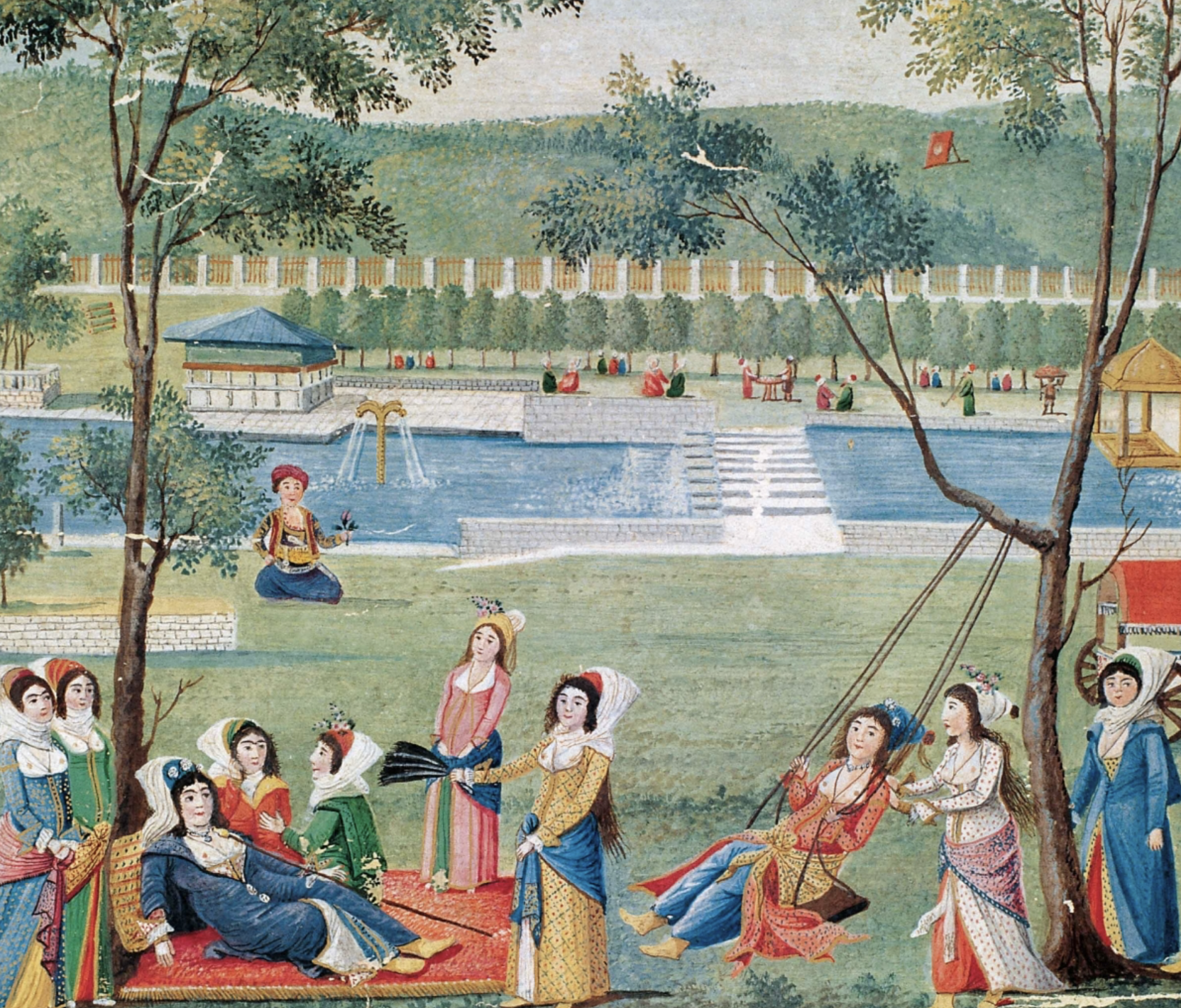
An 18th-century miniature of women at their ease in the grounds of the Palace of Sadabad, on the Golden Horn
Interestingly, a garden has always been conceived as a bound space that is secluded from its surroundings. In this sense, my friends’ terrace transforms into a personal sanctuary, a modern embodiment of this old enclosure. The term “garden” itself traces back to the Old English term “geard”, which meant fence, enclosure. Early communities did more than simply build homes; they began to define their own territory, taming nature, erecting boundaries, and creating enclosed spaces. The garden, thus, intersects with one of humanity’s most important endeavors; the domestication of nature and the establishment of social order. Once a space strictly for cultivation, it has grown to symbolize power. No longer just a practical space, the garden evolved into a realm of the elite class (The Gardens of the Villa d'Este in Tivoli, Italy), of kings (The Gardens of Alhambra in Granada, Spain), and even of gods. I remember visiting the Majorelle Garden in Marrakech, Morocco; a botanical garden created by French painter Jacques Majorelle in the 1920s and 1930s. Following his death, this garden was owned and restored by fashion designers Yves Saint-Laurent and Pierre Berge. The garden is renowned for its vibrant cobalt blue color and its extensive collection of exotic plants. I had a chance to visit this oasis after I waited in line, as a patient and eager tourist. Upon entering, I was greeted by beautiful medium-sized trees, cacti, and exotic plants all in varying shades of green. The famous Yves blue revealed itself almost immediately with a glimpse of a striking contrast against this green background. I spent my time wandering around the garden, feeling insignificant and unfamiliar amidst the exotic flora as if the world had been stripped of color, leaving only the deep greens, bright yellows and Yves blues to captivate my senses.
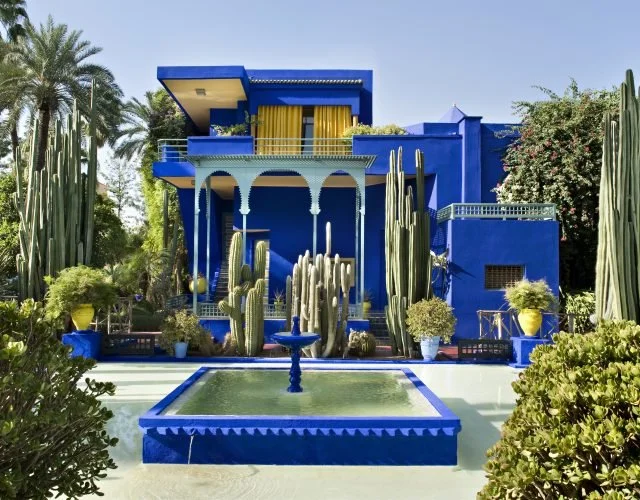
Majorelle can be seen as a long-fought battlefield where victory is signified by the collection of exotic plants. It stands as a testament to the creator's power over nature, a potent symbol of the domestication of land. This garden, a deliberate creation, radically opposes the surrounding reality. It is a paradise on earth, meticulously crafted by the elite class, embodying the power and beauty of human desire.
The Majorelle Garden and my friends’ terrace garden represent two opposite ends of the gardening spectrum. The Majorelle Garden is grand, and renowned, a symbol of power and artistic expression. In contrast, my friends’ terrace garden is modest and personal. However, there is a fundamental essence that unites both gardens: the human desire to create, cultivate, and find a place to contemplate in nature.
Gardening invites us to reconsider its role within modern urbanization. Can gardening, an important architectural archetype, blur the lines between being a place for contemplation and mere foraging or intensive farming? A garden can host production but it is not confined solely to a productive space. It is a projection of life ambitions encompassing pleasure, meditation, debate, love, art, and friendship—facets of human experience often undervalued today. Because in modern cities, the economy rules our lives and dominates our existence. Considering the architectural norms in Belgium, the requirement of a 4-5 m² outer space (terrace, balcony, garden) and an additional 2-3 m² for each sleeping room in all new buildings may not entirely resolve the issue, but it will certainly enhance the quality of life. Having said these, I am actually quite happy to encounter communal gardens in my daily life. While addressing this challenge on an individual basis may be complex, approaching it as a communal concern and creating shared gardens in parts of streets or on rooftops presents an admirable solution.
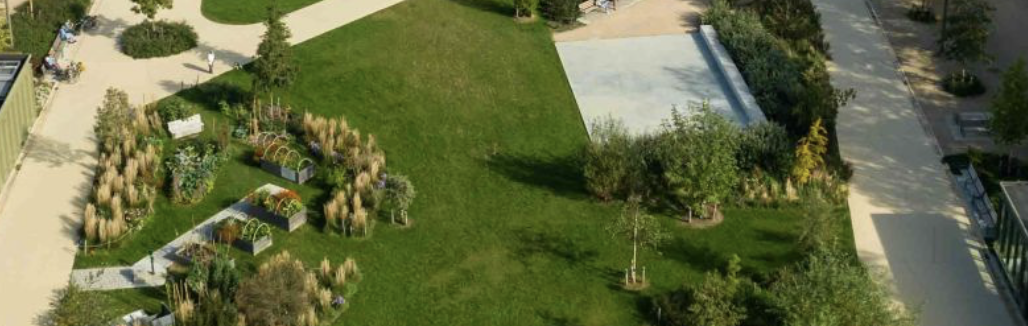
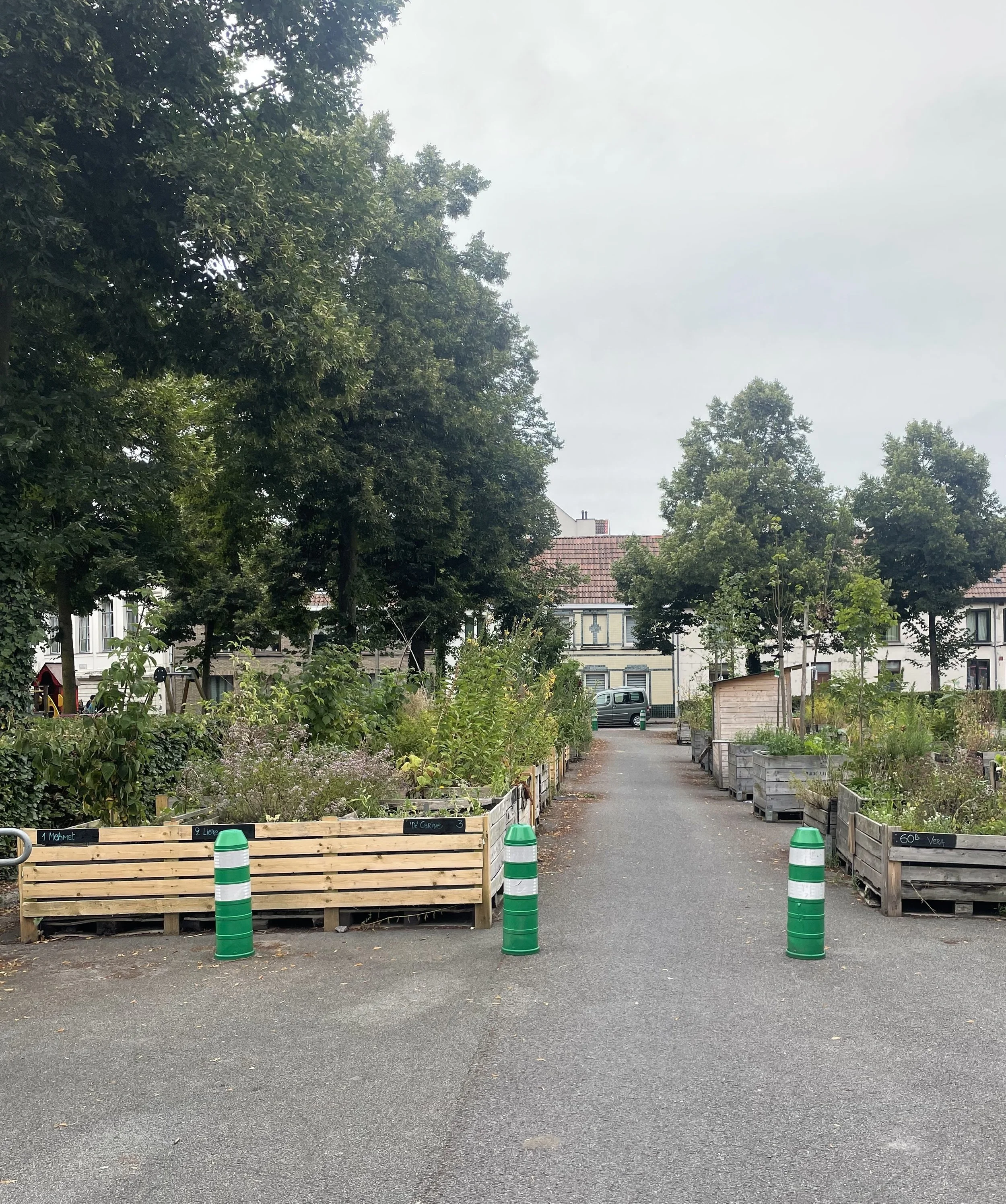
Communal garden, Ghent
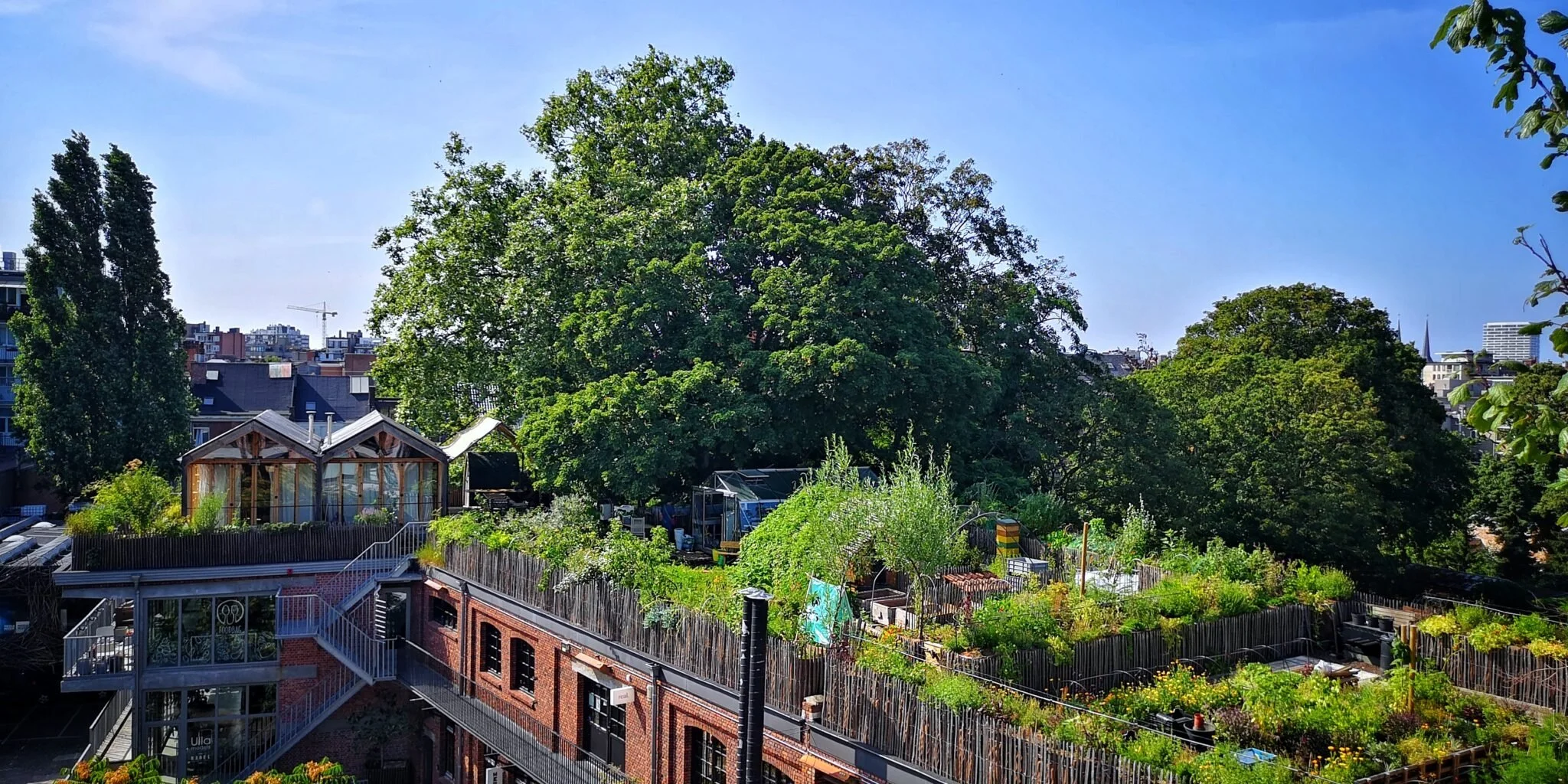
In our society, gardens are somehow merely related to idleness and uselessness which pose a challenge to the conventional notions of what makes life meaningful. These communal spaces embody the true essence of gardens, fostering joy, contemplation, and a sense of community. And more importantly, the true essence of a garden - which I found in my friends’ garden - stands as a reminder of what truly matters. The true essence of a garden reveals itself not in its productivity and profit; but in the joy of creation and the emotions it inspires.