Seamless
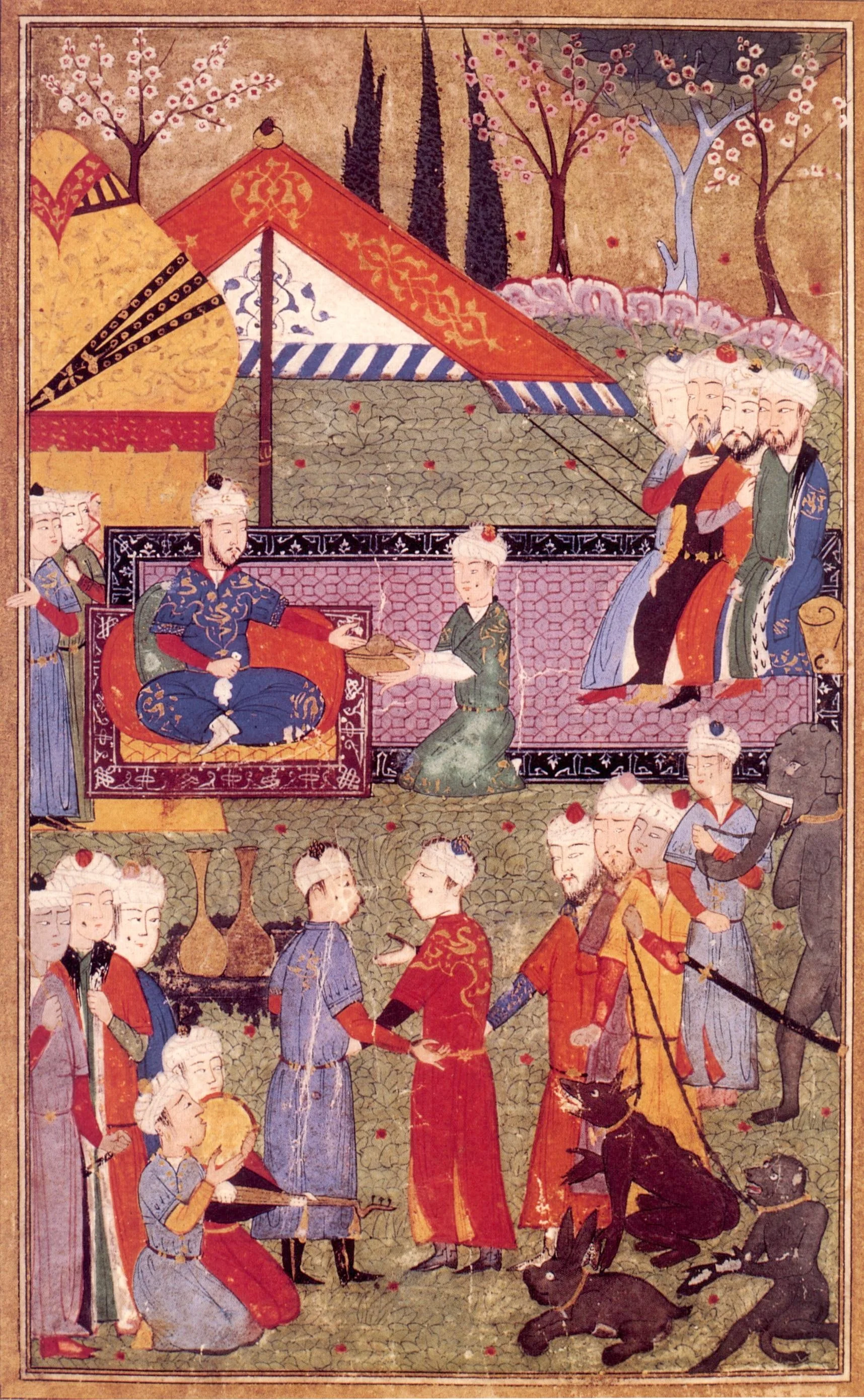
Miniature from a copy of Ahmadi's İskender-nāme, middle of the 15th century, written and painted in Edirne, now in Biblioteca Nazionale Marciana, Venezia
I was actually planning to write a short Instagram post for this Sunday, but the more I wrote, the longer it got, so it turned into a blog post instead.
This Sunday’s read is “Where Sidewalks Never End” by Mai Okimoto, along with a little reflection of my own. A piece that somehow led me to wander inside an Ottoman miniature.
Link to Mai’s piece: Where Sidewalks Never End
Recently, I read Mai’s piece, which is one of the four pieces in their recent “The Sidewalk Issue”, and it takes you on a peaceful journey through São Paulo’s República neighbourhood. A place I’ve never been to, yet by the end, it feels as though I’ve walked its streets myself. Mai focuses on the network of passages and sidewalks that weave through the area. As the title suggests, the sidewalks seem endless, extending seamlessly from one space to another.
I enjoyed the text for two main reasons. One connected to the discourse and the other more personal.
First, the discourse part. I love how these endless sidewalks create a kind of border within the neighbourhood. (I deliberately say border, not boundary. In architectural discourse, this distinction matters: a boundary defines a strict line, separating spaces completely, whereas a border is thicker, softer. A threshold where two sides meet, overlap, and create a space of transition.) In República, this network of passages embodies this idea of the border beautifully.
The blurred condition between public and private, outside and inside, together with the endless sidewalks and the photographs in the piece, evoke a sense of continuous experience. A seamless movement that carries you through the text and through the neighbourhood itself.
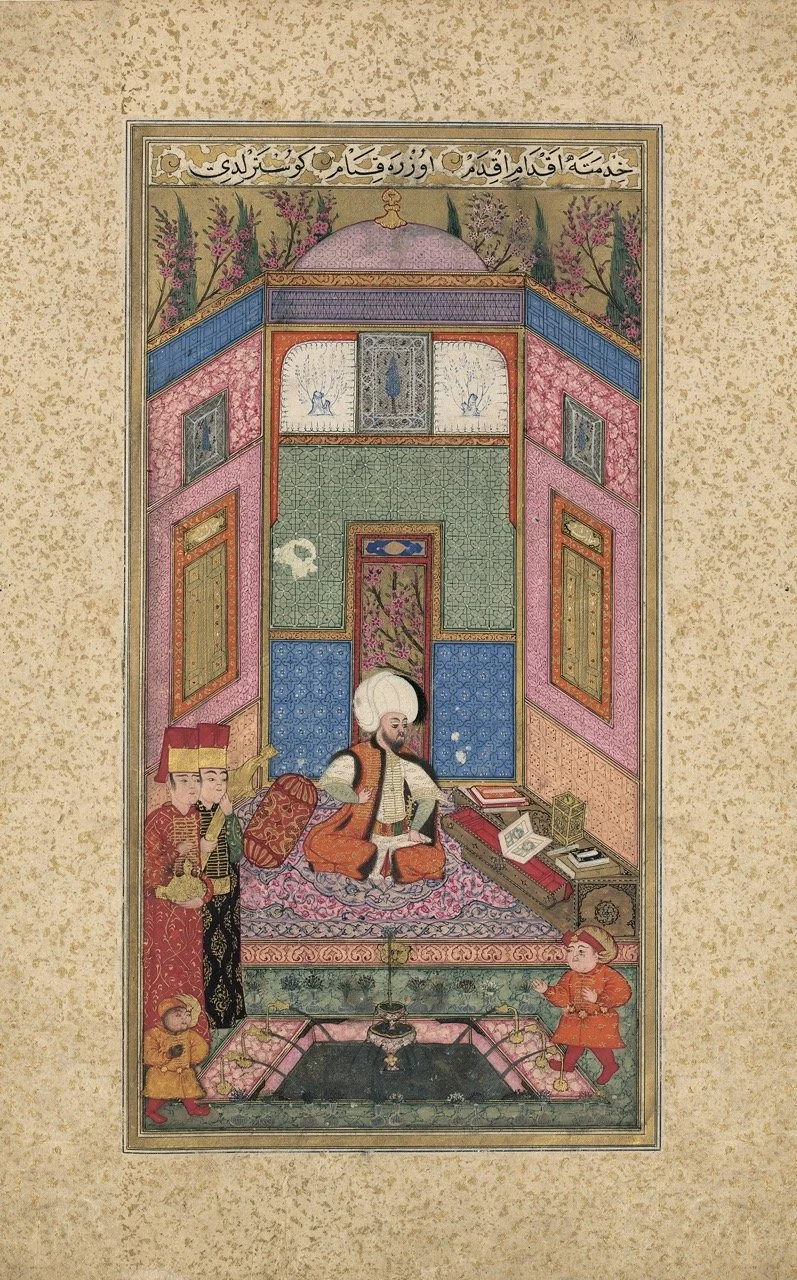
Sultan Murad III in The Book of Felicity (1582)
Now, for the second reason I enjoyed the piece. And this one’s closer to me. Reading Mai’s piece made me feel as if I was wandering inside an Ottoman miniature. A topic I actually want to write about in the coming weeks.
In Ottoman miniatures, spaces are not defined strictly by walls, doors, or gates; instead, they’re shaped by the flows of people. Again, it’s about borders and that blurred condition. Actually, it is not just space that behaves differently, but time as well. There is no strict linearly in time in miniatures. A single depiction can hold several moments at once. A king might be shown welcoming visitors in his palace while also riding his horse into battle in the very same miniature depiction.
Ottoman miniatures privilege the flow of people and experience over enclosure, much like the covered passages of São Paulo’s República neighbourhood.